Recognizing Self-Betrayal in Black Women College Students
“She has the grades. The leadership roles. The insight. What are we missing when she says she’s fine?”
- Date
- January 22, 2027
- Time
- 9:00 AM–12:10 PM Central
- Credit
- 3 NBCC hours
- Fee
- $97
Early registration: $97
Through December 31, 2026
Regular registration: $197
From January 1, 2027, 12:00 AM Central
Recognizing Self-Betrayal in Black Women College Students has been approved by NBCC for NBCC credit. 290 Therapy is solely responsible for all aspects of the program. NBCC Approval No. SP-5420.
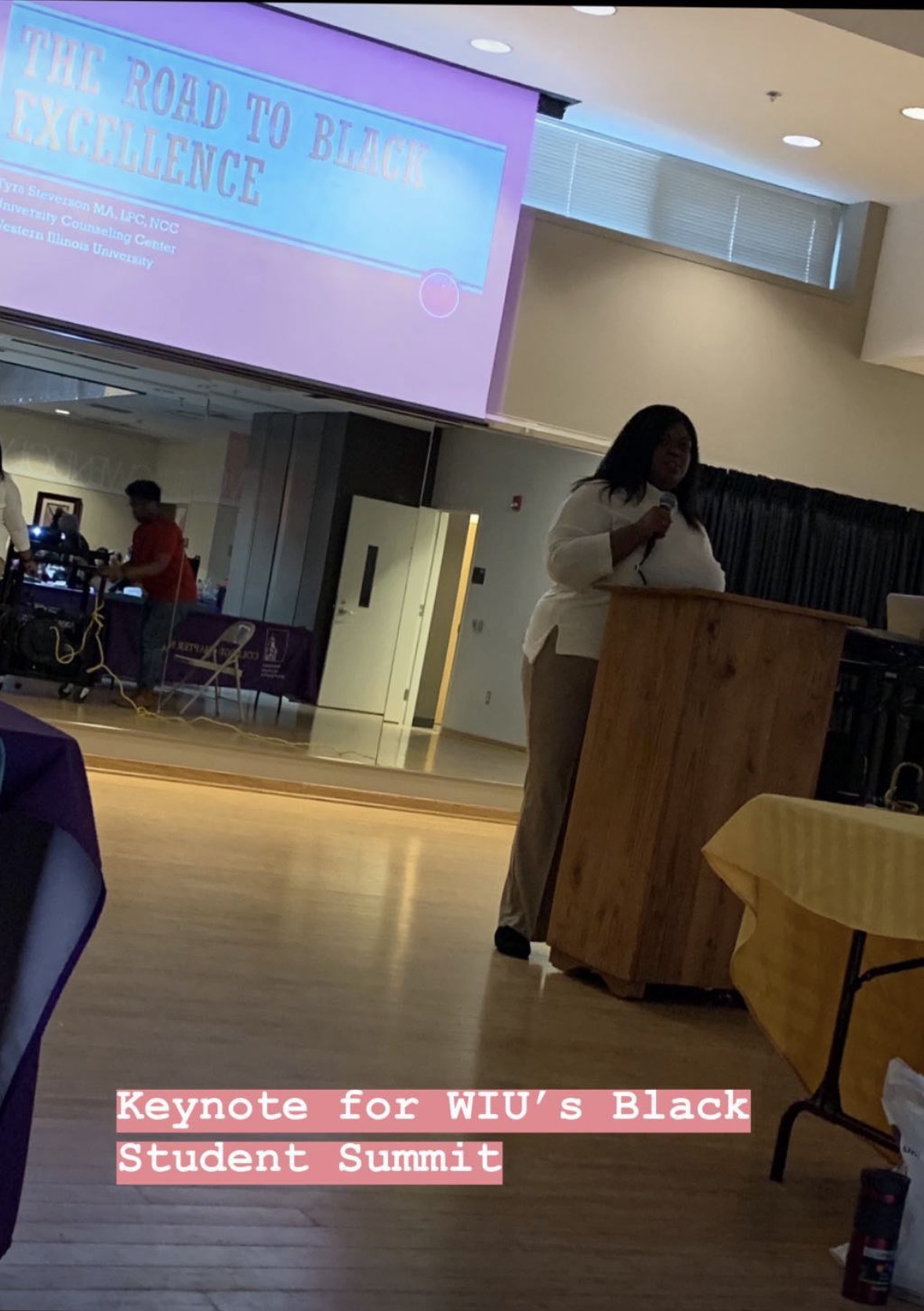
In the room · Tyra Steverson, keynote address
Why this training
The pattern beneath composure
High-achieving Black women students often arrive in session composed, articulate, and fluent in their own success — and easy to read as well. The cost underneath is quieter, and it is the part clinicians most often miss.
This training gives clinicians a usable language for self-betrayal: the recurring, self-erasing way of relating to one's own needs, feelings, and limits that develops under the specific pressures of the college years. It is not a diagnosis, and it is not a reframing of resilience as a deficit. It is a clinical lens for hearing what a student has learned to call simply who she is.
The goal is recognition first — seeing the pattern, differentiating it from survival under genuine constraint, and hearing it in the students who present as fine — and then a responsible, scope-honoring path toward self-loyalty.
Clinical realities · The college developmental window

The high-achieving facade
Composed, accomplished, and carrying unseen costs through the college developmental window.
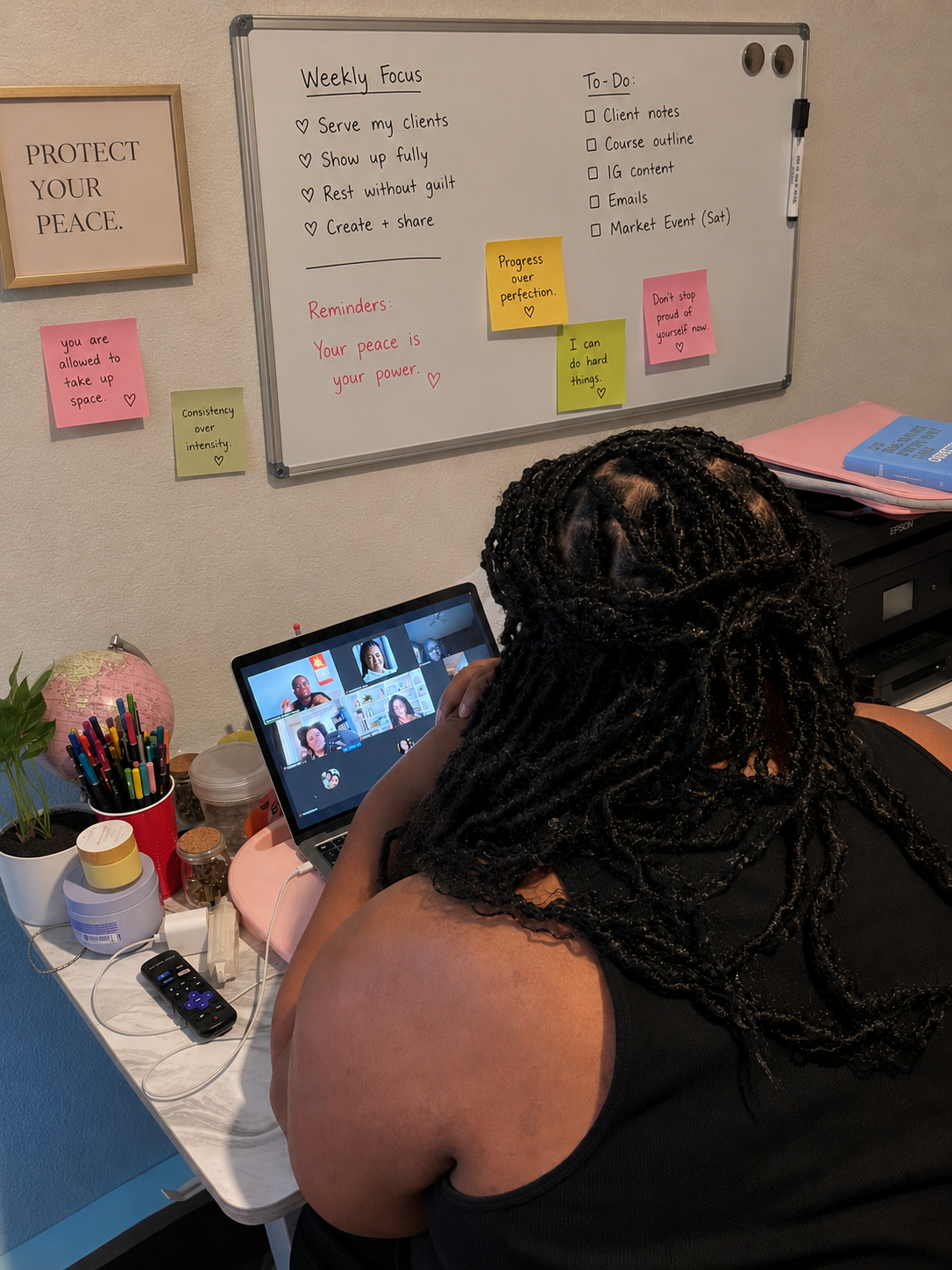
The internal balance sheet
Striving to protect peace while constantly prioritizing external demands and overfunctioning.

Cultivating the pause
Guiding clients toward present-moment awareness, restorative self-loyalty, and boundary-setting.
Approved program description
The complete program content
The following is the complete Program Content Description as approved on the NBCC application. It is reproduced in full.
Black women college students frequently arrive in the counseling space holding high achievement, visible composure, and a quiet form of cost that does not surface in standard intake questions. They have the grades, the leadership roles, the insight, and the language to describe themselves as fine. What is often missed is the pattern beneath the composure: a recurring, self-erasing way of relating to one's own needs, feelings, and limits that develops under the specific pressures of the college developmental window.
This program defines self-betrayal as the recurring prioritization of others' expectations, comfort, or approval over one's own acknowledged needs, feelings, limits, and values, carried out as a learned and reinforced pattern rather than a conscious choice. It distinguishes self-betrayal from survival under genuine constraint, where a person is acting within real limits and with limited options, and from adjacent constructs the field has named in other terms, including self-silencing, people-pleasing, and burnout.
Participants examine how self-betrayal develops through a five-pillar recursive model: moral rigidity, fear-driven patterns, unmet emotional needs, environmental pressures, and the ease and relief that reinforce the cycle. Each pillar is grounded in established theory so that clinicians can locate the construct within the literature they already use and teach it without overstatement.
The program then situates construction within the college developmental window for Black women students, where the superwoman schema, cultural taxation, and minority stress interact to reward composure and self-sacrifice and to penalize the visible expression of need. Clinicians learn to recognize how these dynamics produce presentations that read as high-functioning in session while concealing the very pattern the student has come to describe as simply who she is.
The training moves from recognition to response. Participants practice hearing and assessing self-betrayal in students who present as composed, apply strategies that guide students toward self-loyalty, including the cultivation of the pause, present-moment awareness, and faith-aligned grounding as a culturally responsive tool, and distinguish the clinician's scope in early identification and prevention from the environmental and systemic factors that require responses beyond the individual clinical encounter.
Throughout, the emphasis is on what the clinician can actually see, hear, and shift in a session, and on protecting the clinician's scope so that the work is responsible rather than heroic. The goal is not to pathologize strength or to rename resilience as a deficit. It is to give clinicians a usable language for the cost that high-achieving Black women students are carrying, and a clinical path toward helping them meet themselves with more loyalty than the environment has asked of them.
Program · Recognizing Self-Betrayal in Black Women College Students
Learning objectives
What participants will be able to do
After completing this program, participants will be able to:
- Define self-betrayal and differentiate it from survival under genuine constraint and from at least three adjacent constructs, including self-silencing, people-pleasing, and burnout.
- Explain how self-betrayal develops, using the five-pillar recursive model (moral rigidity, fear-driven patterns, unmet emotional needs, environmental pressures, and ease and relief) and identifying the theoretical grounding of each pillar.
- Describe how self-betrayal is constructed during the college developmental window in Black women students, including the roles of the superwoman schema, cultural taxation, and minority stress.
- Identify and hear clinical presentations of self-betrayal that are commonly under-recognized in students who present as composed and high-functioning in session.
- Apply at least three strategies that guide students toward self-loyalty, including the cultivation of the pause, present-moment awareness, and faith-aligned grounding as a culturally responsive tool.
- Distinguish the clinician's scope in early identification and prevention from environmental and systemic factors that require responses beyond the individual clinical encounter.
Presenter
Tyra Steverson, LCPC, LPC
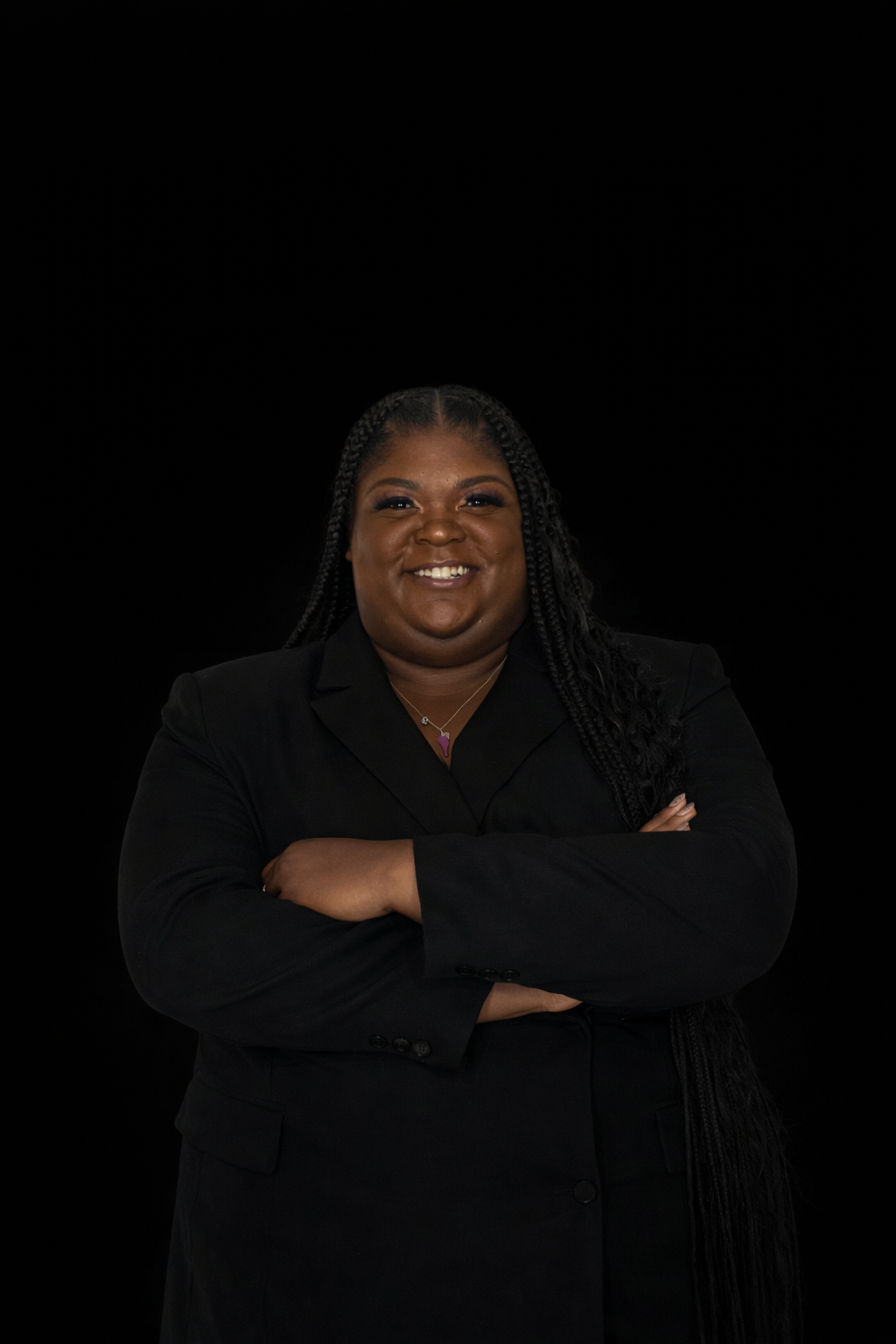
Presenter · 290 Therapy
Tyra Steverson is a licensed clinical professional counselor who serves Black women clients and the clinicians who care for them. Her clinical focus is the quiet, self-erasing cost that high-achieving Black women students carry beneath composure, and the development of language and strategy that helps them meet themselves with loyalty.
She developed Recognizing Self-Betrayal in Black Women College Students to give clinicians a usable, theoretically grounded way to recognize the pattern beneath the presentation and to respond within their scope rather than around it.
In the room · Keynotes, campus dialogues & workshops
Selected speaking engagementsTyra brings years of on-the-ground experience addressing university audiences, mental health summits, and student affairs leadership on Black student mental health and campus climate.
Keynote Address
Black Student Summit · Western Illinois University
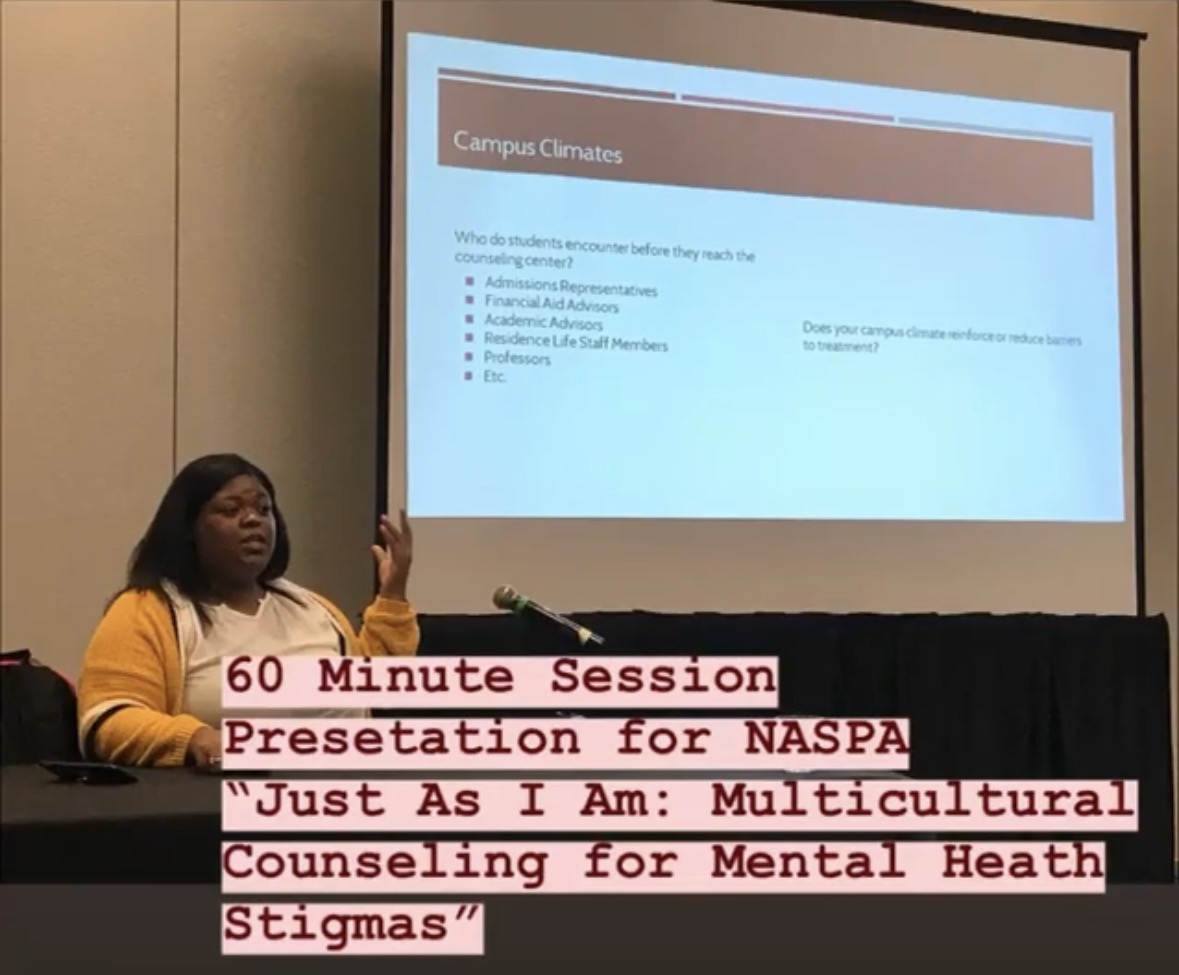
Conference Presentation
NASPA · 'Just As I Am: Multicultural Counseling for Mental Health Stigmas'
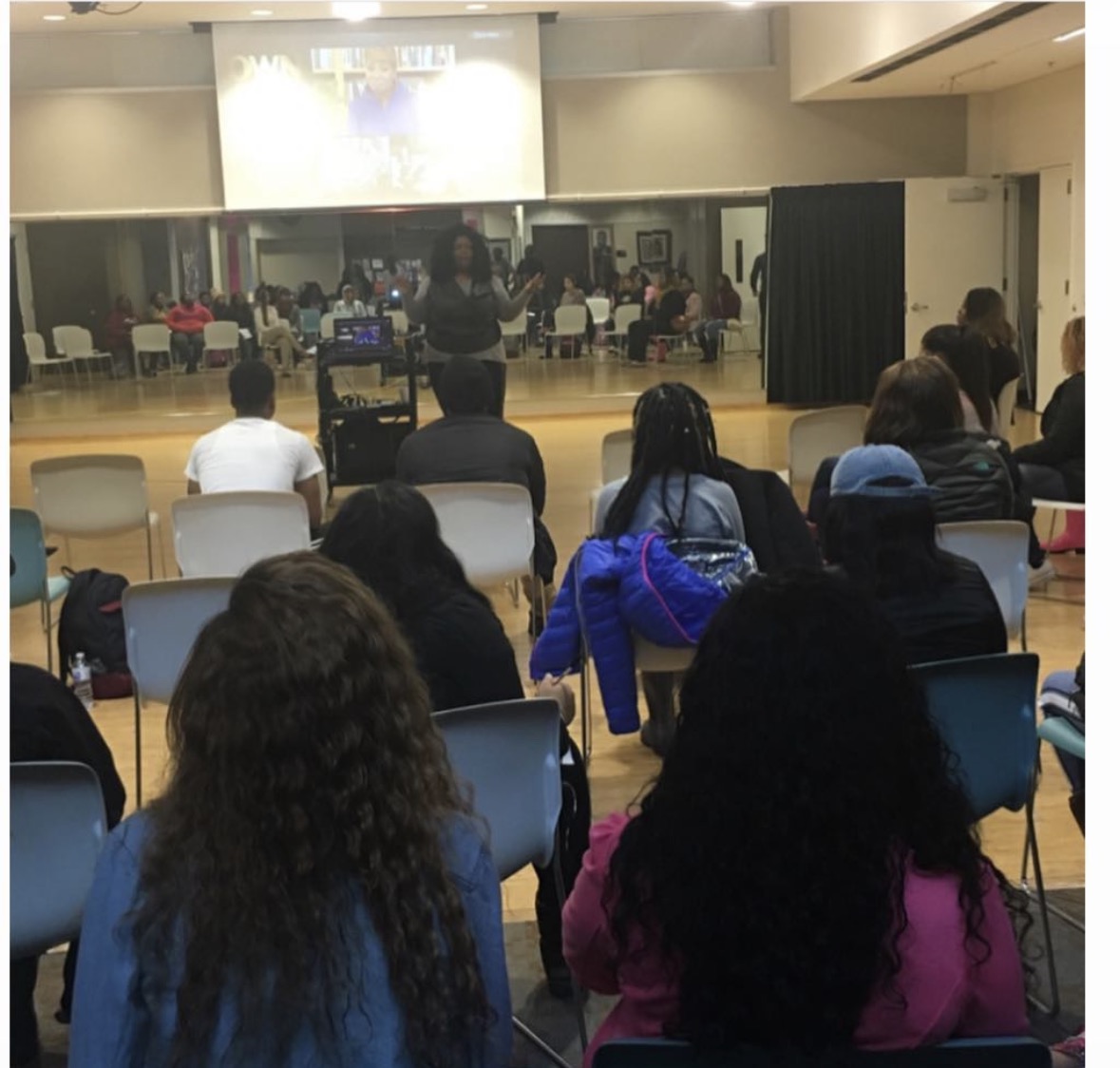
Auditorium Workshop
Facilitating student & clinician community dialogue
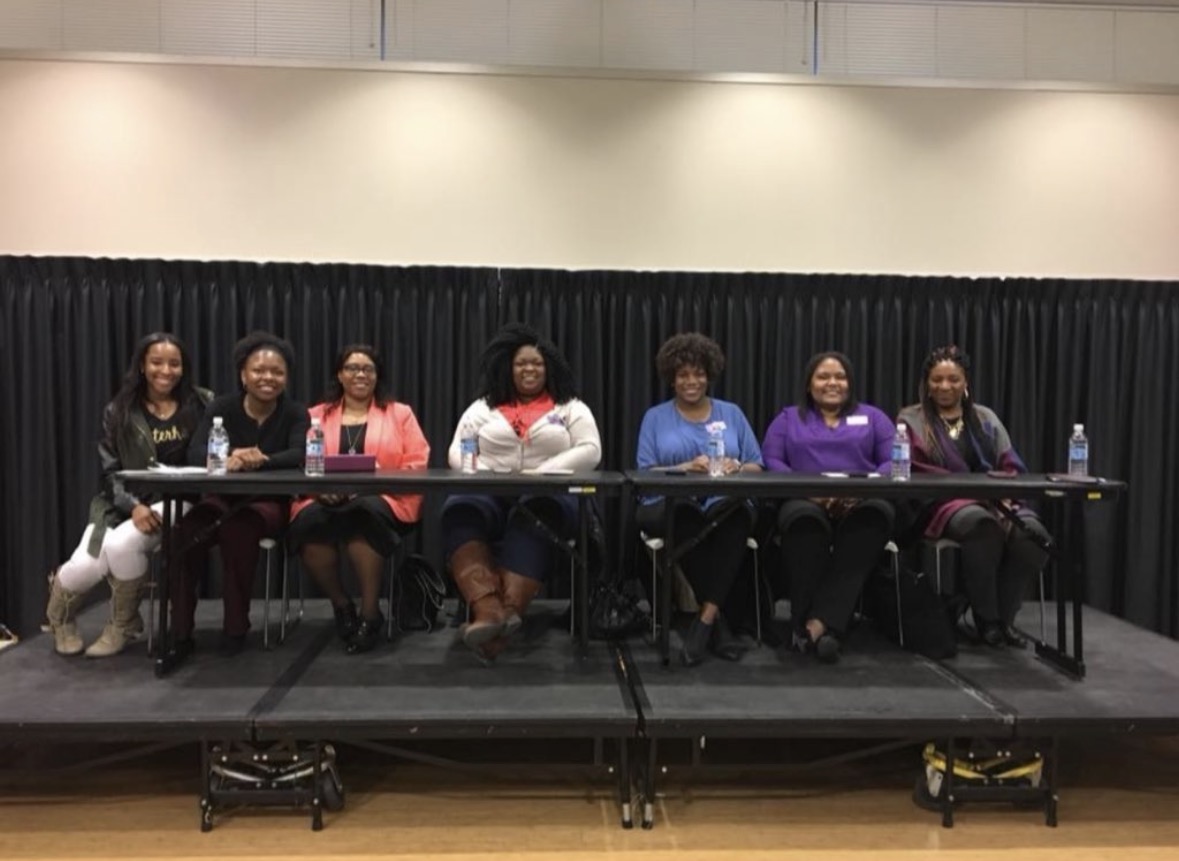
Panel Discussion
Campus leadership & Black women student advocates

Roundtable Feature
The Resistance Roundtables · 'Because Black Women'

Dear Burned Out Black Woman
290 Therapy Podcast · 'You Can Hustle & Heal'
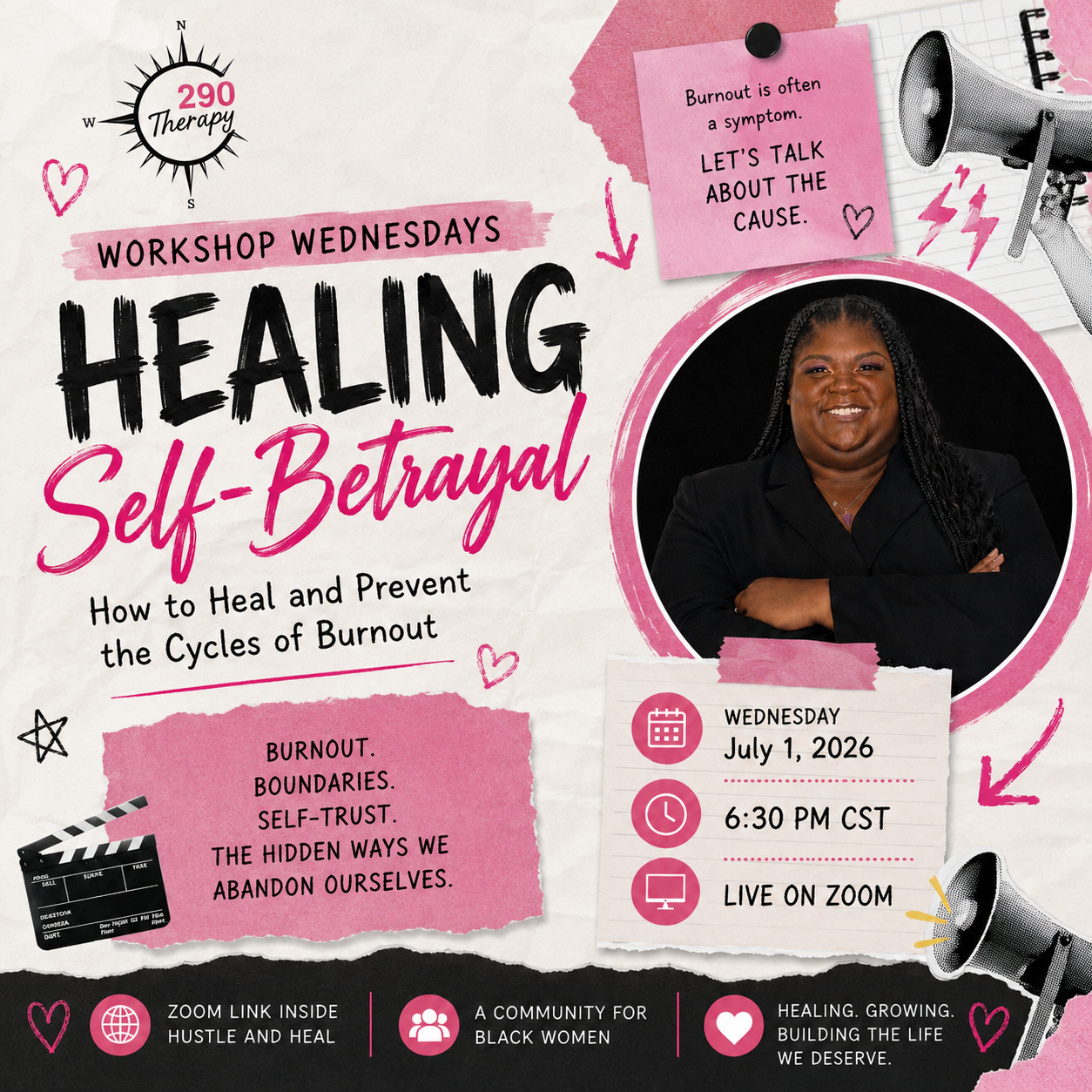
Healing Self-Betrayal Workshop
Workshop Wednesdays · Community for Black Women
Agenda
180 instructional minutes
The live program runs 180 instructional minutes, plus a 10-minute break that is excluded from NBCC credit.
- 20minThe clinical anomaly
Opening case presentation and the question of what we are missing when a high-achieving Black woman student says she is fine.
- 25minDefining self-betrayal
Defining the construct, differentiating it from survival under genuine constraint, and separating it from adjacent constructs including self-silencing, people-pleasing, and burnout.
- 35minThe five-pillar recursive model
Moral rigidity, fear-driven patterns, unmet emotional needs, environmental pressures, and ease and relief, with the theoretical grounding of each pillar.
- 10minBreakNot for credit
Break, excluded from CE credit.
- 30minThe developmental window
Construction of self-betrayal in the college developmental window for Black women students, including the superwoman schema, cultural taxation, and minority stress.
- 25minHearing and assessing self-betrayal
Recognizing under-recognized presentations in students who present as composed and high-functioning, and building assessment language the clinician can use in session.
- 30minGuiding clients toward self-loyalty
At least three strategies, including the cultivation of the pause, present-moment awareness, and faith-aligned grounding as a culturally responsive tool.
- 15minPrevention, scope, and close
Distinguishing the clinician's scope in early identification and prevention from environmental and systemic factors that require responses beyond the individual clinical encounter.
Instructional time: 180 minutes · Break: 10 minutes (excluded) · Maximum credit: 3 NBCC hours
Credit & completion
How credit is earned
Credit for this program is based on verified attendance at the live, synchronous session. The maximum award is 3 NBCC hours, for 180 instructional minutes; the 10-minute break is excluded from credit.
Participants who attend the full live program and complete the participant evaluation will receive a certificate of completion. The evaluation is part of the program and is used by 290 Therapy to document completion and to improve the training.
What this approval covers — and what it does not
- Credit applies to verified attendance at the live program only. Recordings, replays, and self-paced viewing are not eligible for NBCC credit under this approval.
- The certificate is not withheld on the basis of a post-test result. Passing a post-test is not a condition of receiving attendance-earned NBCC credit.
- 290 Therapy does not guarantee that every licensing board accepts NBCC credit, or that this program is accepted as cultural competency credit in every jurisdiction. Confirm requirements with your board.
Recognizing Self-Betrayal in Black Women College Students has been approved by NBCC for NBCC credit. 290 Therapy is solely responsible for all aspects of the program. NBCC Approval No. SP-5420.
Approval period · August 3, 2026 – August 3, 2027
Registration
Reserve your seat
Registration is for 3 NBCC hours of live, synchronous training. The total fee is $97 per participant during early registration — see the early and regular rates and the January 1 deadline below.
Early registration
$97
Through December 31, 2026. Per participant.
Regular registration
$197
From January 1, 2027, 12:00 AM Central. Per participant.
Prefer to register directly? Call 773-354-4777 or email tyralcpc@290therapy.com.
NBCC Approval No. SP-5420 · August 3, 2026–August 3, 2027
Recognizing Self-Betrayal in Black Women College Students has been approved by NBCC for NBCC credit. 290 Therapy is solely responsible for all aspects of the program. NBCC Approval No. SP-5420.
Policies & access
Before you register
290 Therapy makes the cancellation/refund policy, the complaint-resolution policy, and accommodation request information available before registration. The full text of each policy is below — open any section to read it.
Attendance verification and certificate delivery are described in the Credit & completion section. Policies are handled respectfully and confidentially; questions may be sent to tyralcpc@290therapy.com.
For counseling centers & practices
Bring this training to your counseling center or practice
If your center or practice is considering a private live virtual presentation for staff, share your contact details, organization, an estimated participant count, preferred dates, and any training or accessibility needs. 290 Therapy will follow up to discuss availability and pricing.
Submitting the inquiry is not a booking and does not confirm a date or a price. No group rates or discounts are listed here; pricing for a private presentation is confirmed directly with 290 Therapy.
Provider contact
290 Therapy
290 Therapy
18141 Dixie Hwy Suite 202Homewood, IL 60430